Alliiance Honored with AIA Minnesota’s Biennial Firm Award
The firm has built a practice defined by expertise, culture, and a commitment to the next generation of architects
By Joel Hoekstra | December 18, 2025
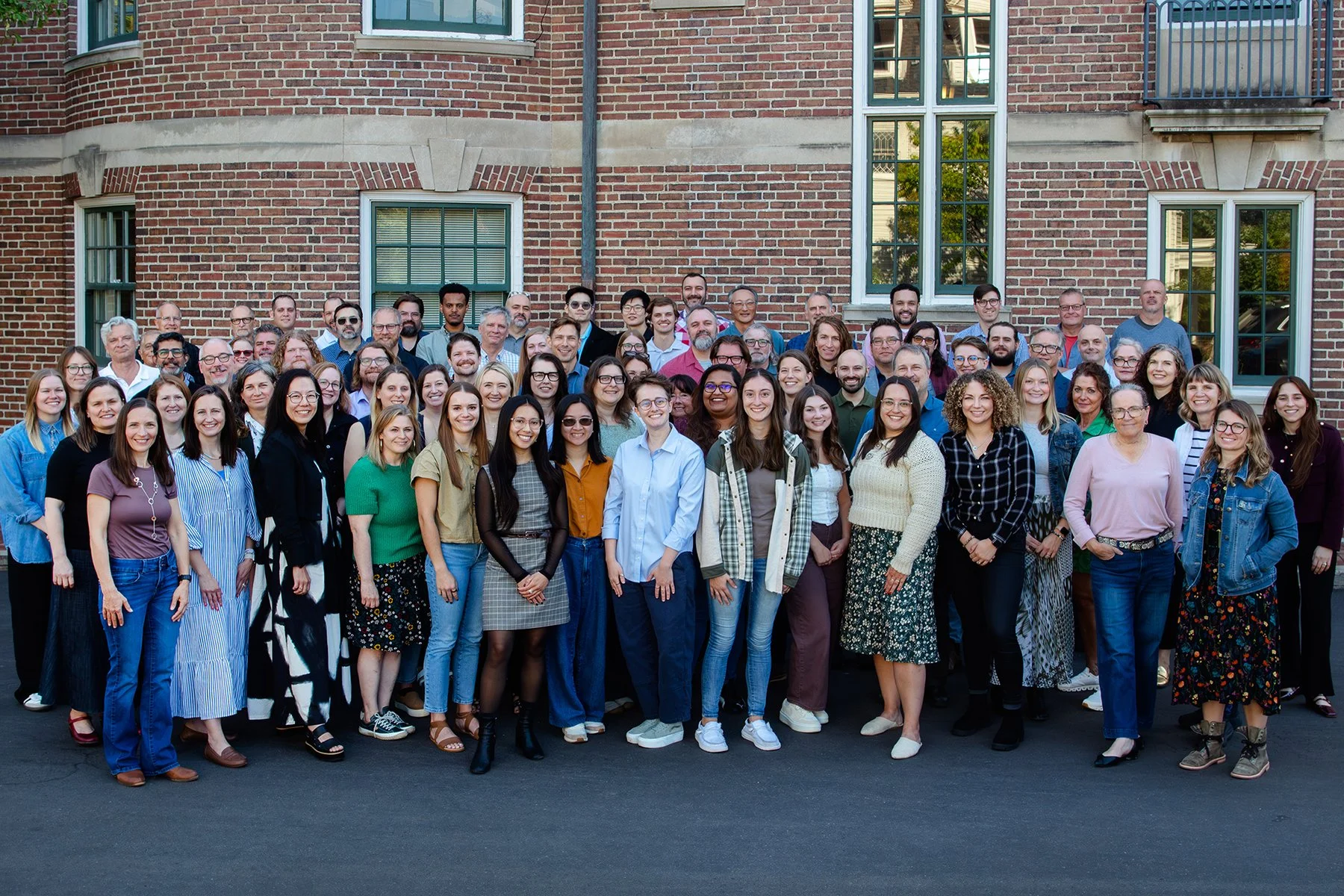
Alliiance team members outside the firm’s building in the Loring Park neighborhood of Minneapolis.
FEATURE
If you’ve visited an airport, theater, stadium, or university campus in Minnesota in recent decades, chances are you’ve passed through a building designed by Alliiance. The Minneapolis-based firm, which recently marked its 55th year, has helped shape some of the region’s most recognizable structures, including Terminal 1 at Minneapolis–St. Paul International Airport, buildings at the University of Minnesota, the Guthrie Theater, and The Horn at U.S. Bank Stadium.
While Alliiance’s portfolio spans a wide range of building types, the firm’s underlying approach remains consistent: Each project is grounded in its place and shaped by the people who use it.
That consistency—along with the quality and breadth of the firm’s work, its collaborative culture, and its support of emerging designers—recently earned Alliiance AIA Minnesota’s prestigious Firm Award. Bestowed biennially to a practice that has made outstanding contributions to the profession, the honor marks the second time Alliiance has received the award, following its first in 1994. It is the only firm to have done so.
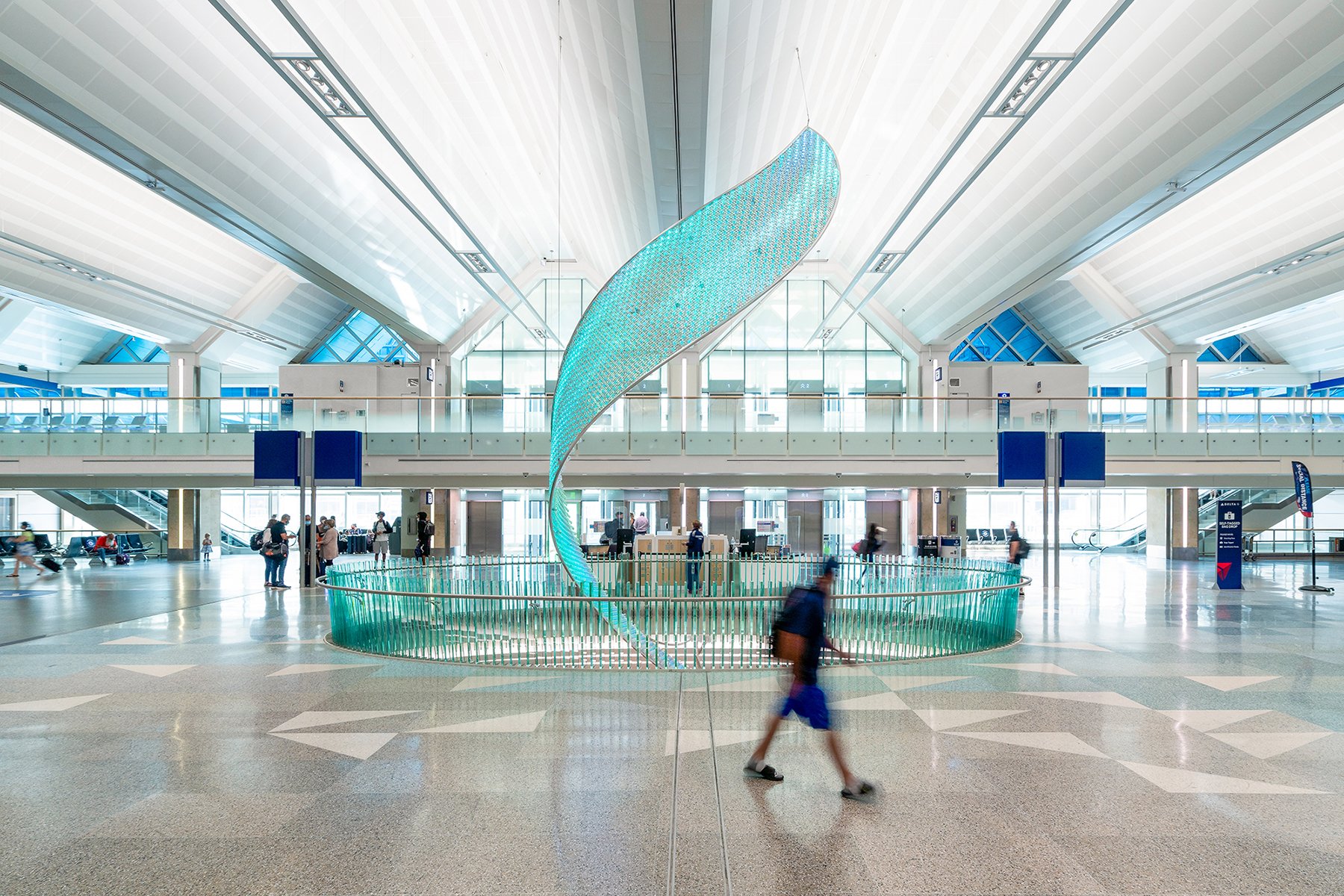
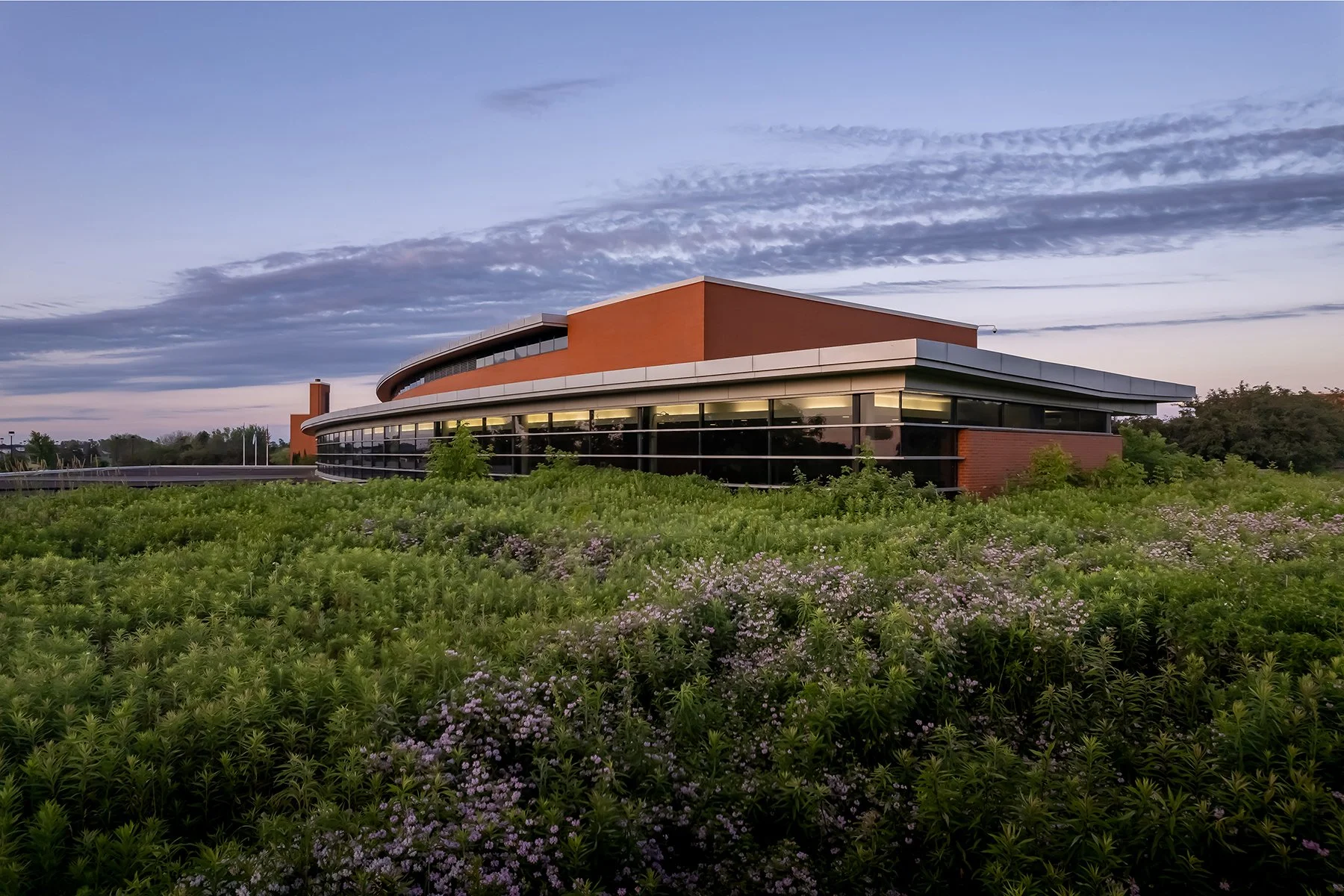
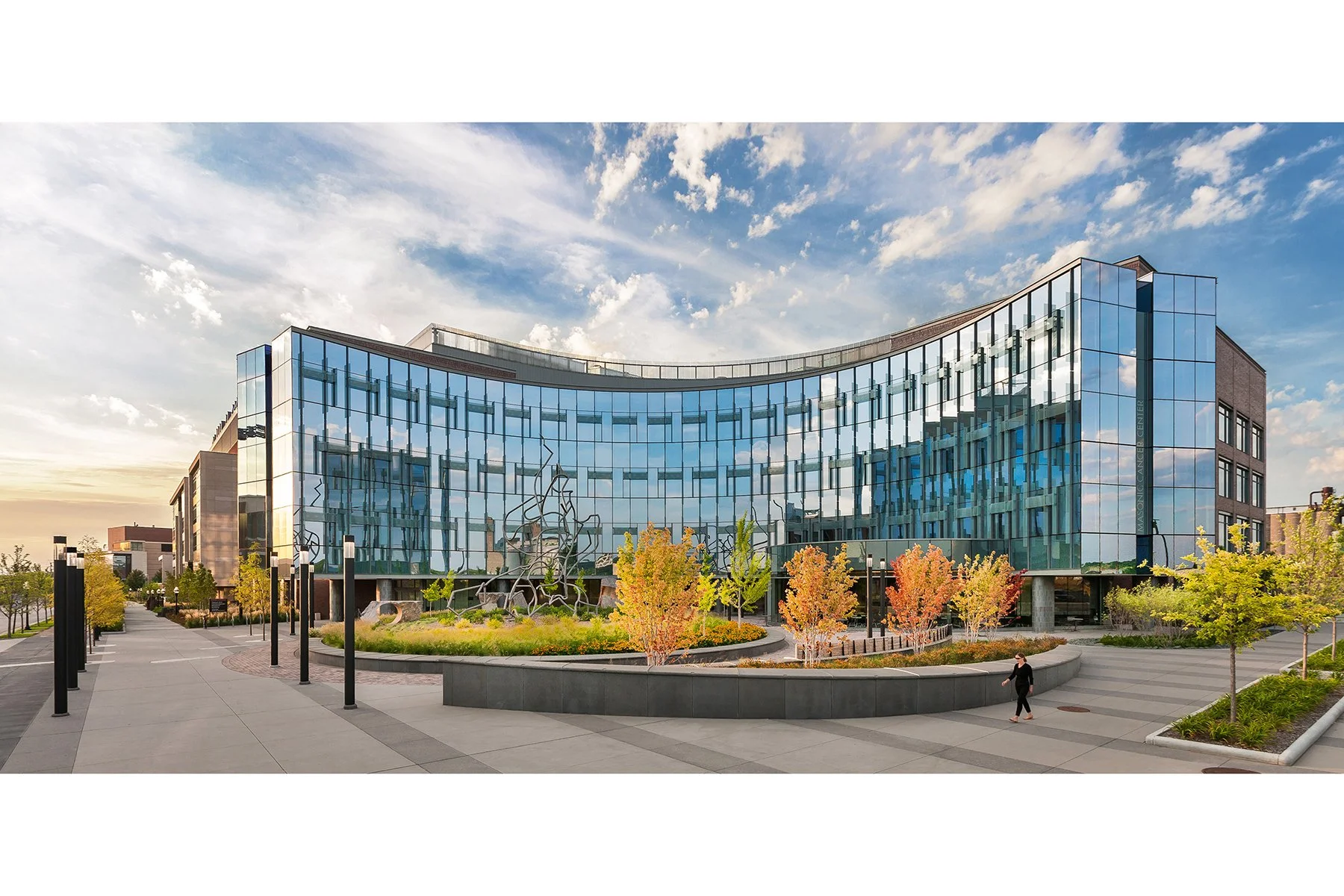
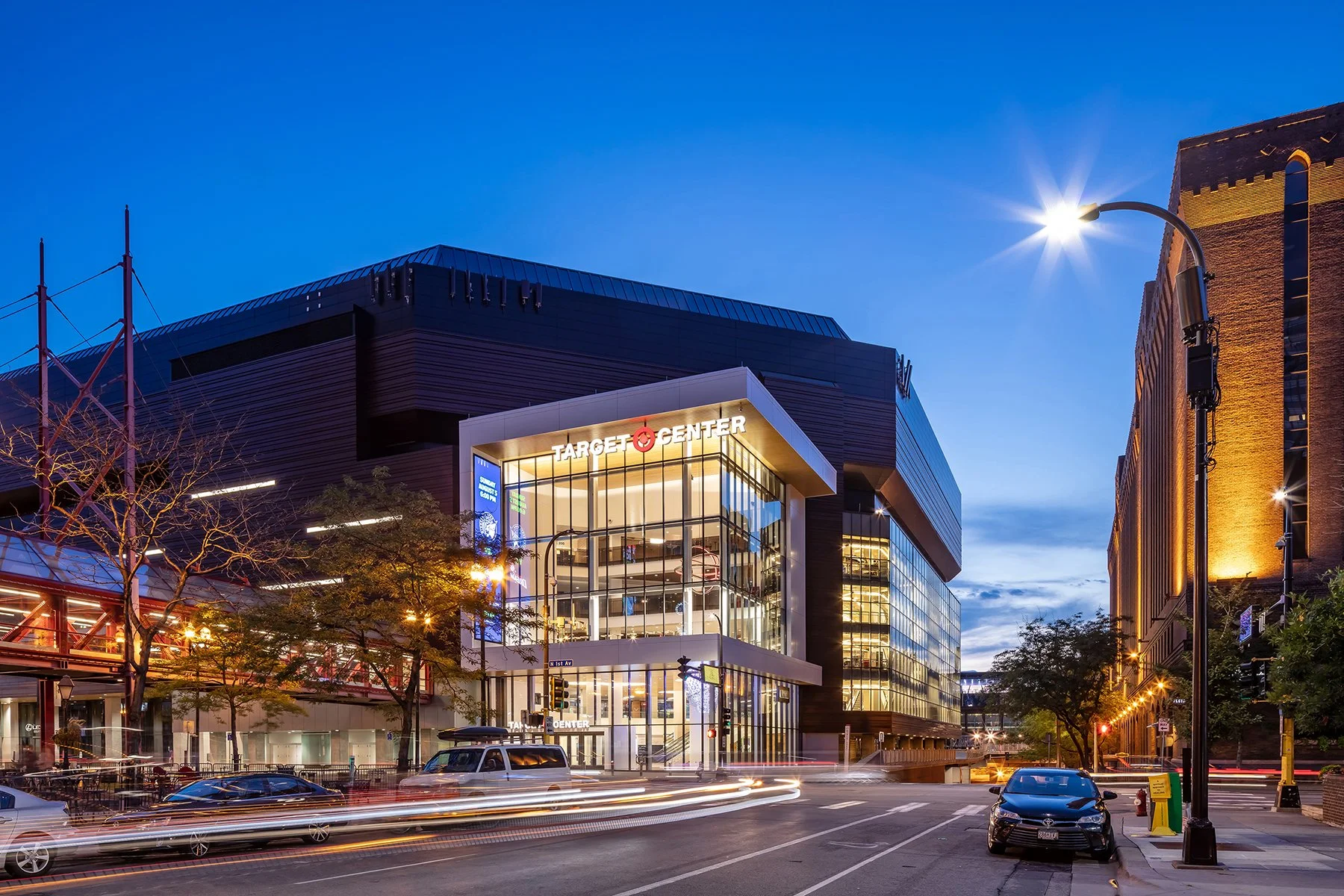
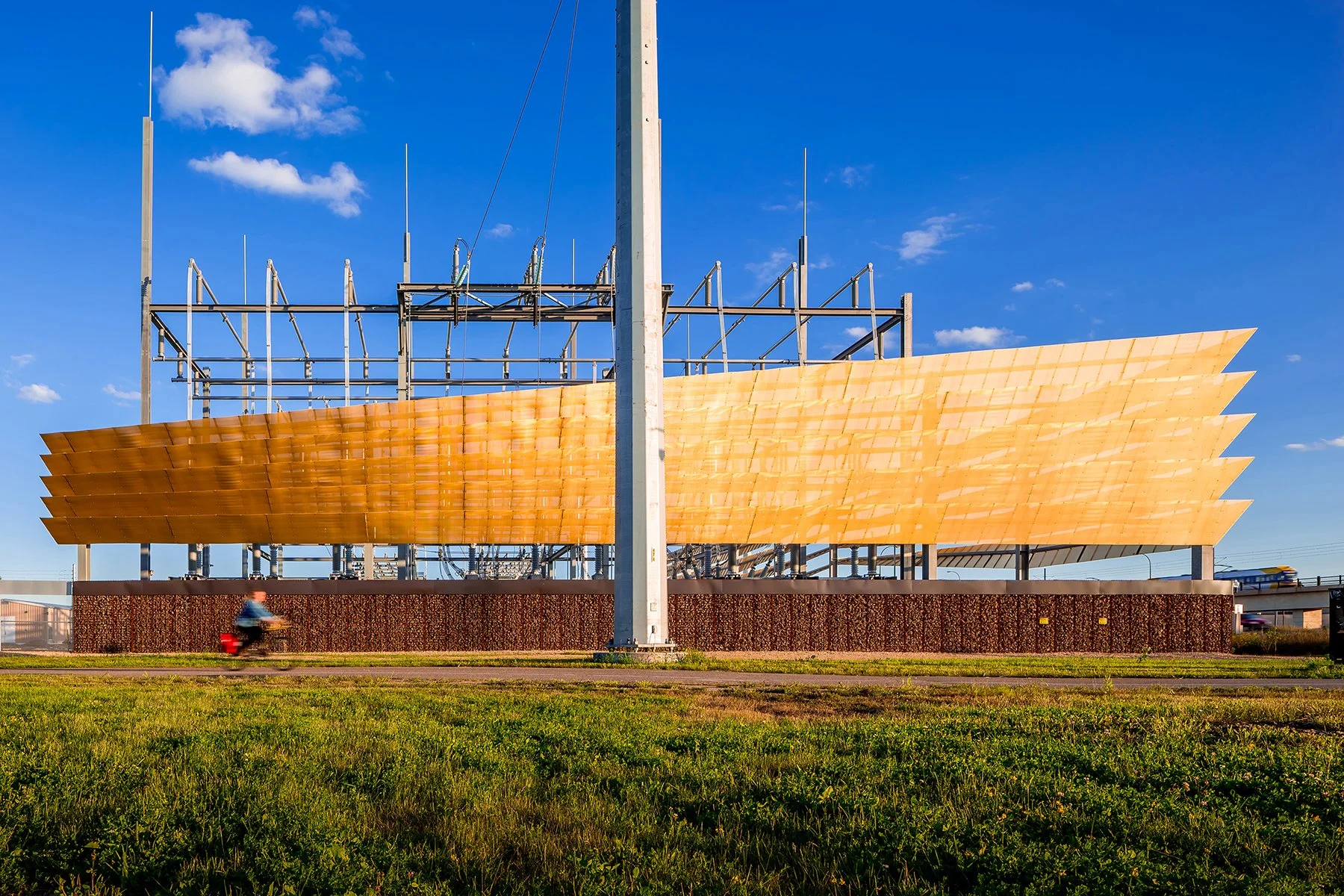
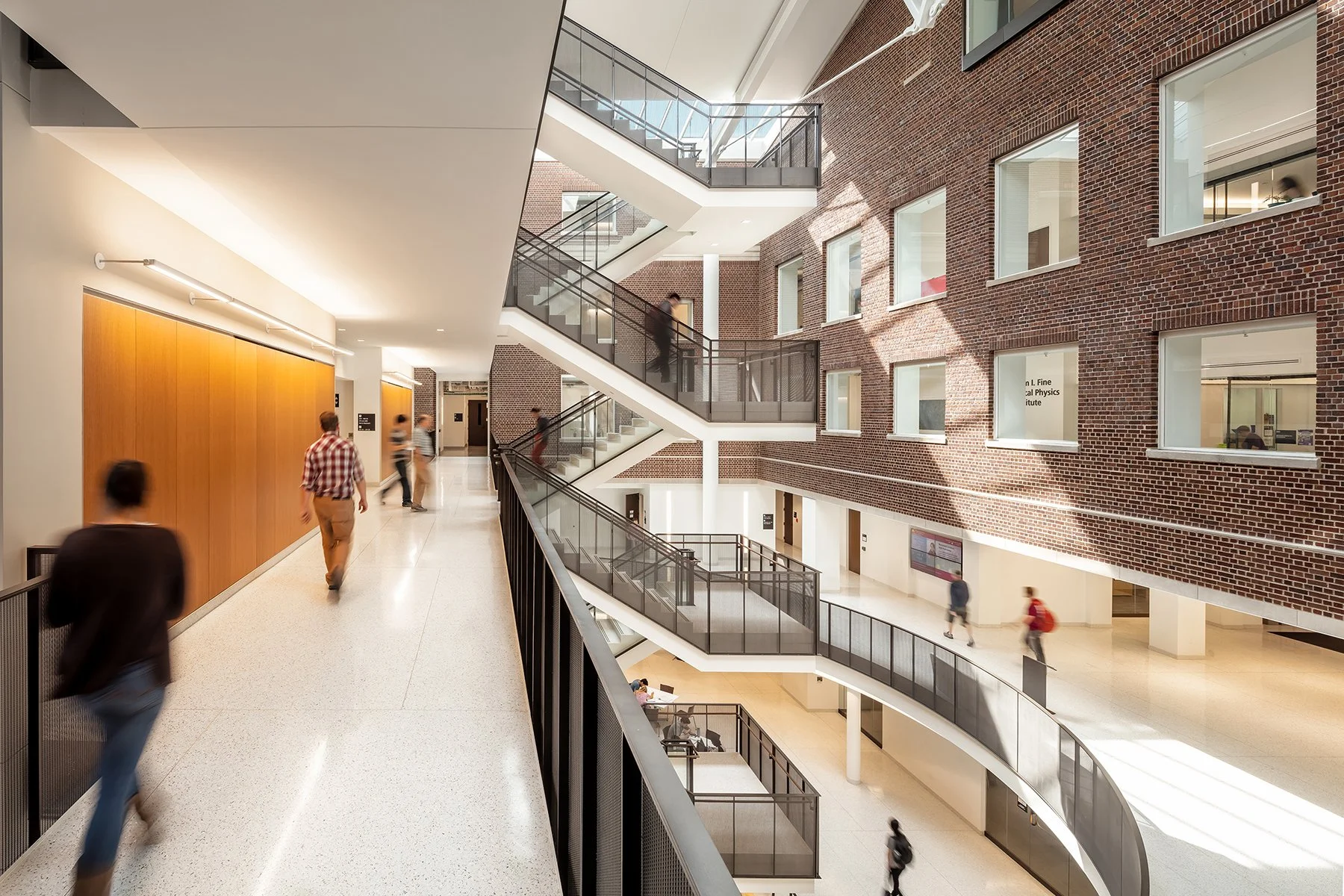
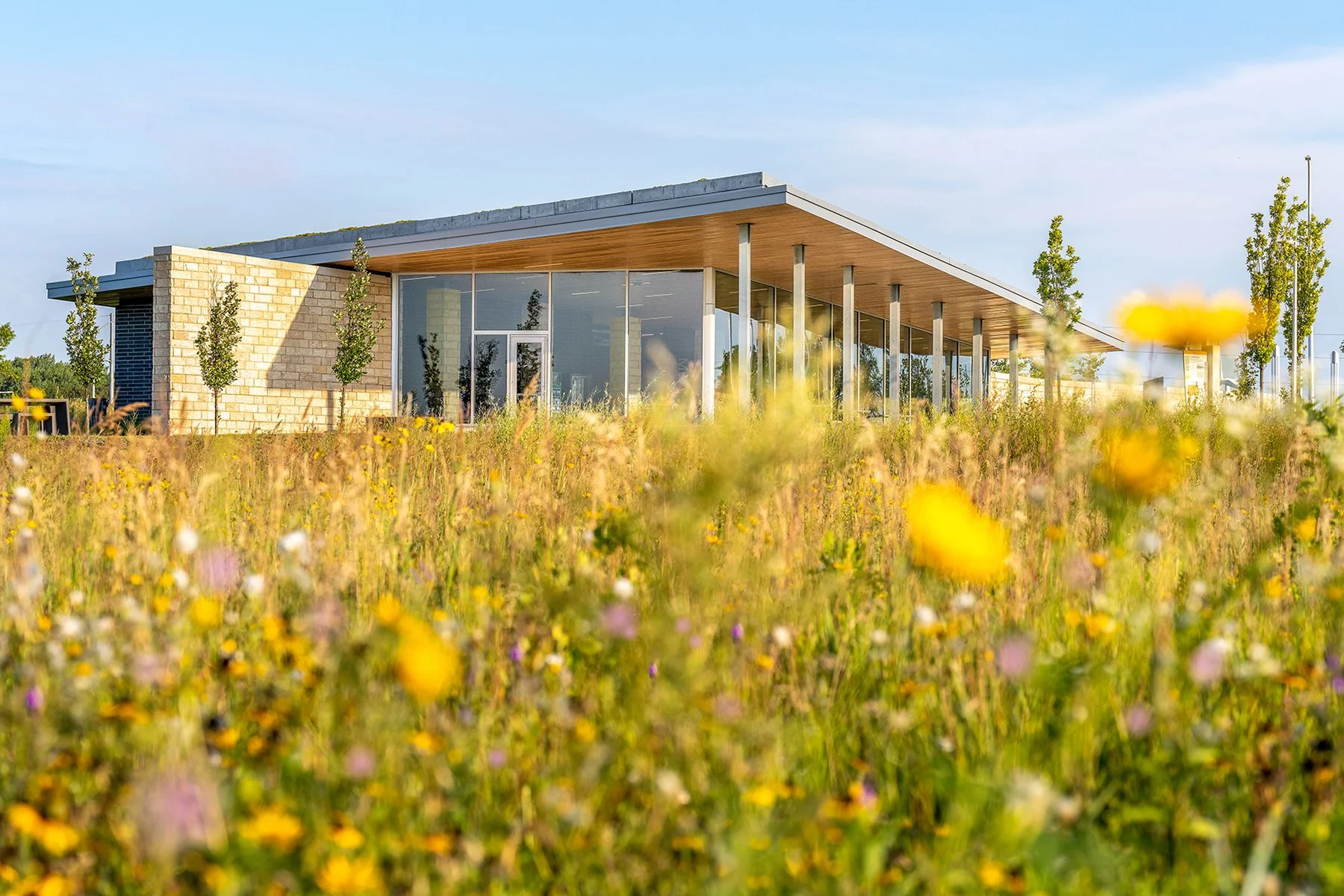
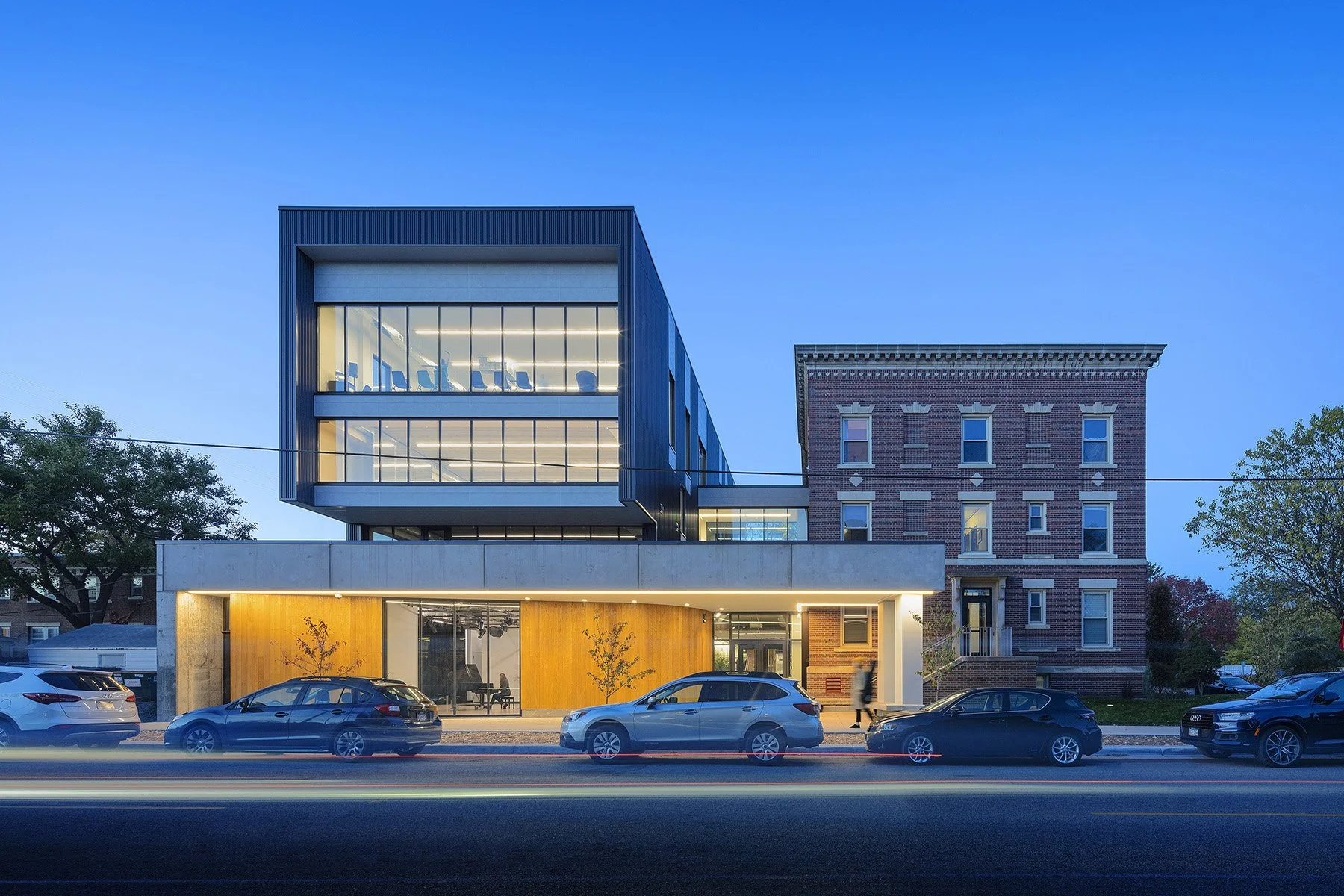
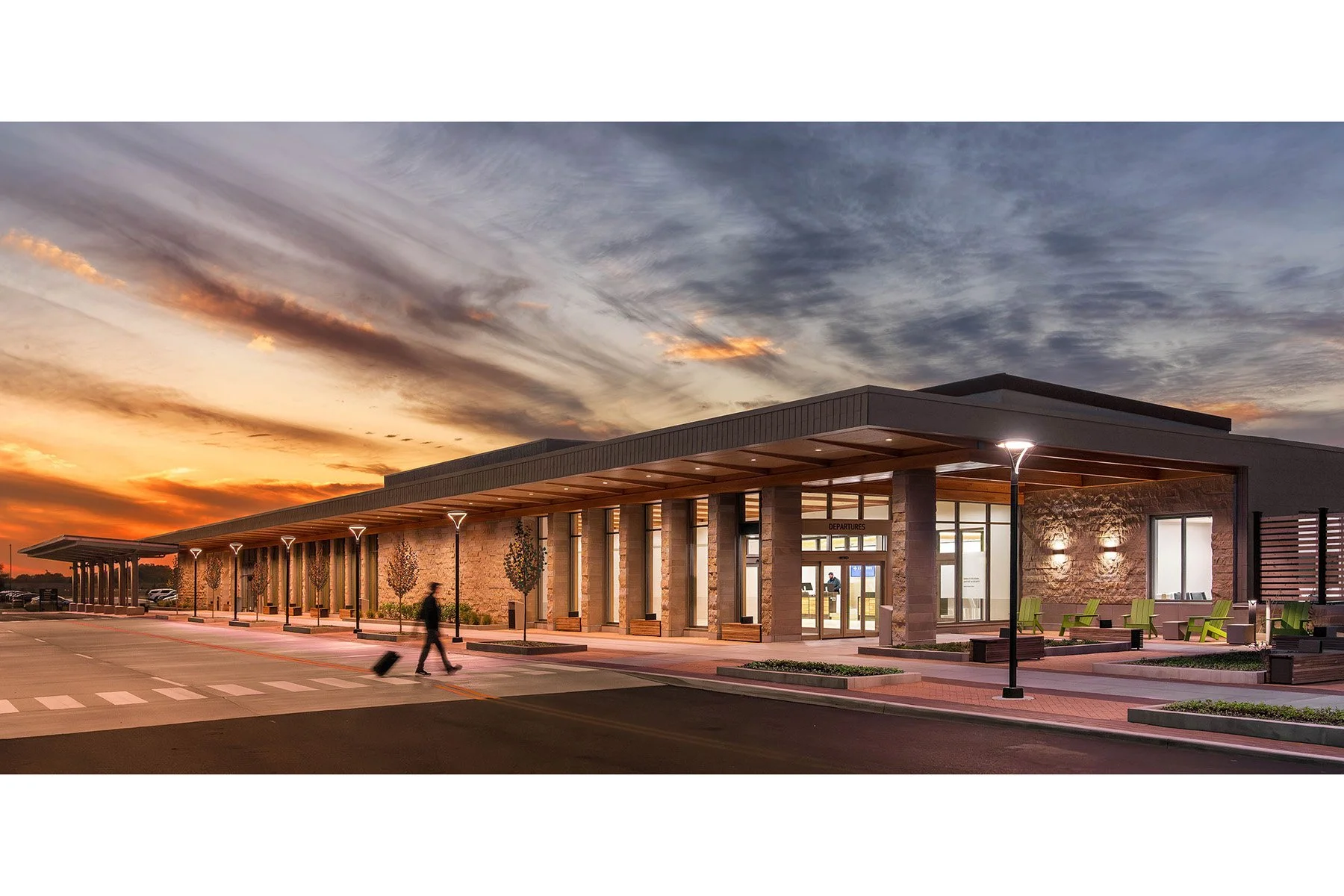
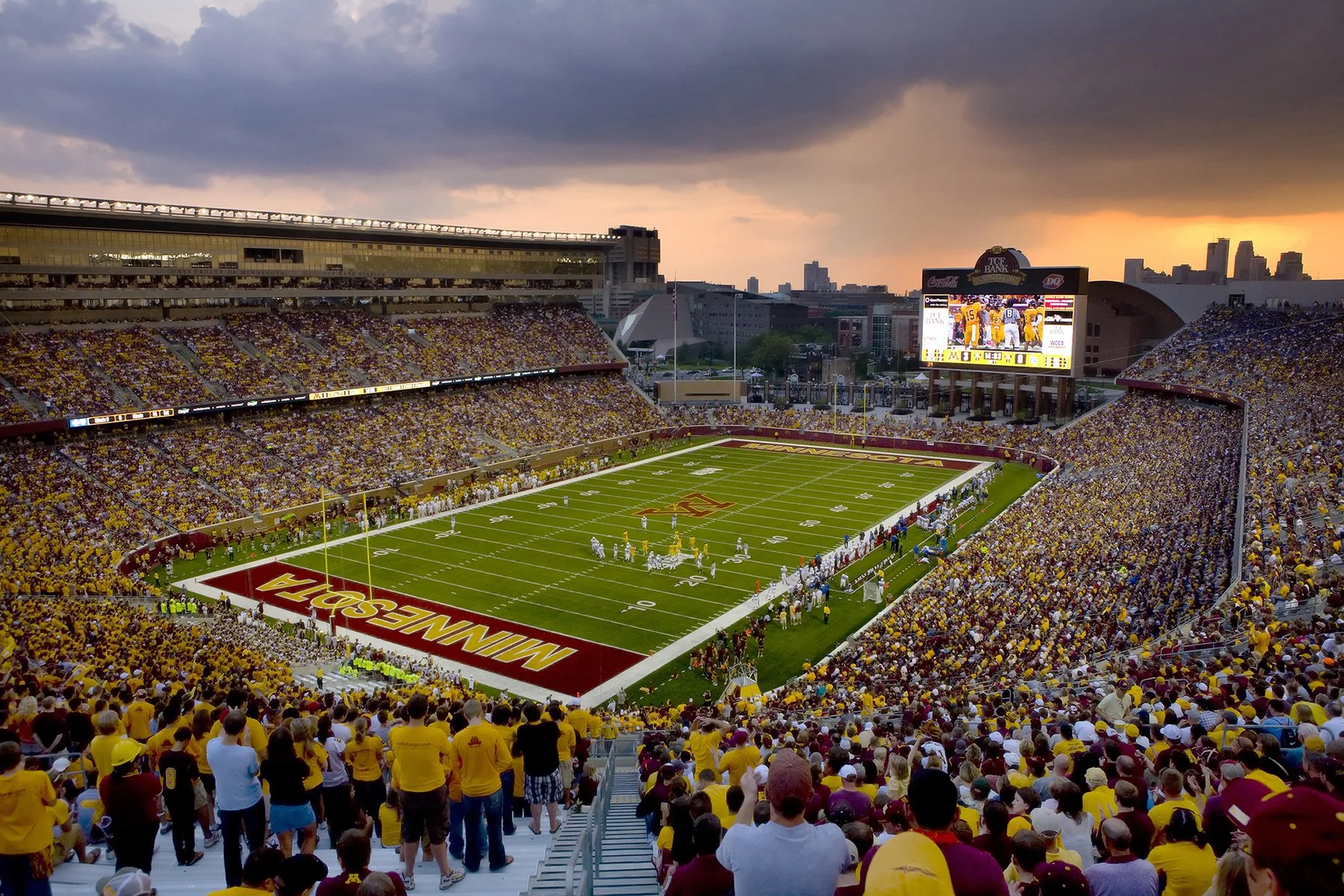
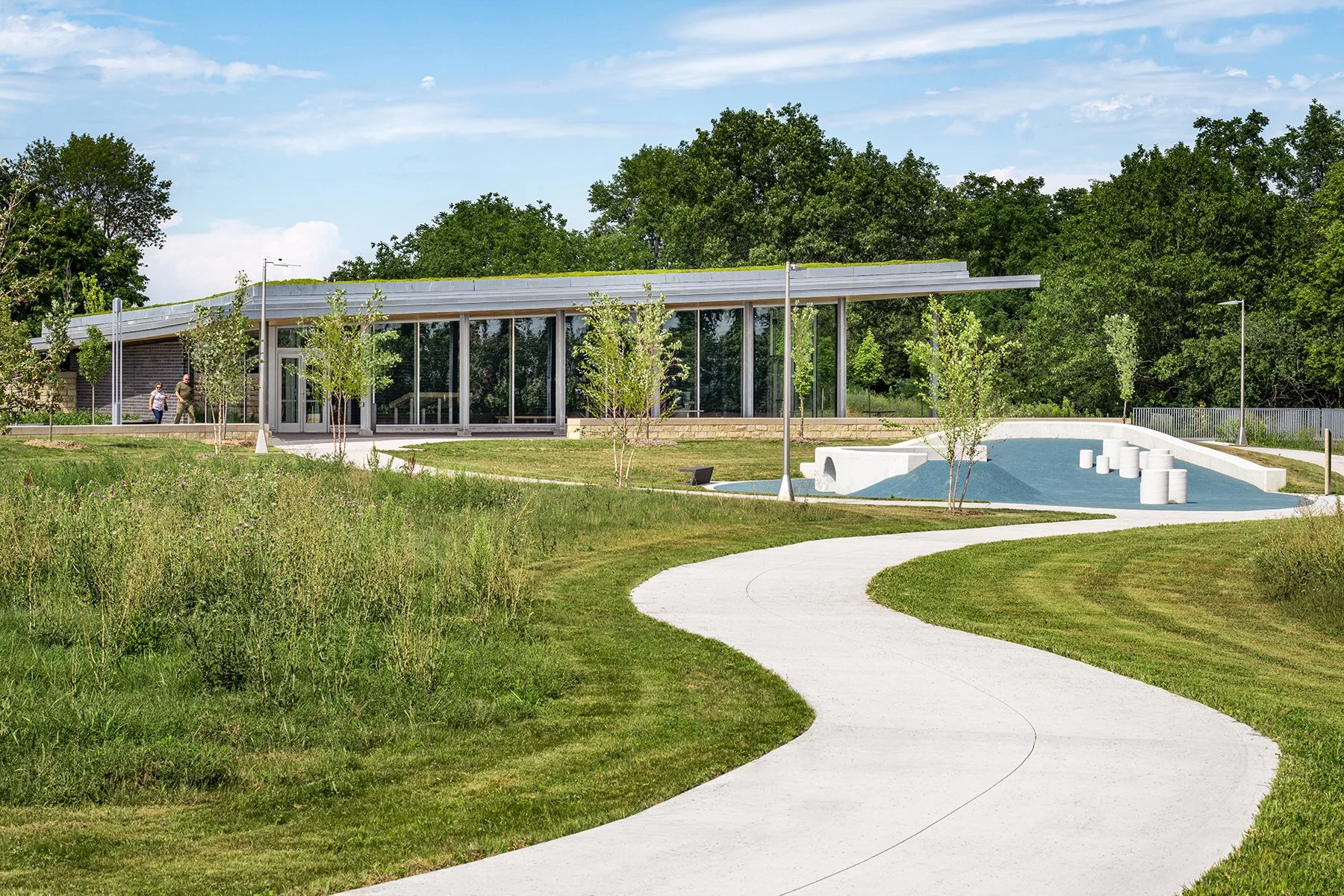
Photos 1–10: A selection of Alliiance projects: Terminal 1 at MSP International Airport (photo 1, by Eric Mueller Photography); Hennepin County Public Works Facility (2, by Farm Kid Studios); University of Minnesota Cancer and Cardiovascular Research Building (3, by Paul Crosby); Target Center Renovation in Minneapolis (4, by Farm Kid Studios); Xcel Energy Hiawatha West Substation in Minneapolis (5, by Farm Kid Studios); University of Minnesota John T. Tate Hall Renovation (6, by Farm Kid Studios); Clear Lake Safety Rest Area near Jackson, Minnesota (7, by Eric Mueller Photography); Center for Performing Arts in Minneapolis (8, by Peter J. Sieger); Barkley Regional Airport in West Paducah, Kentucky (9, by Eric Mueller Photography); and University of Minnesota Huntington Bank Stadium (10, by Christy Radecic).
“Few firms have sustained a level of design quality as long as Alliiance has,” says Marc Partridge, AIA, university architect emeritus at the University of Minnesota. “Even as staff and leadership have changed, they’ve consistently remained an outstanding firm.”
Leveraging Trust
Alliiance is particularly known for its aviation work. The firm has partnered with Minneapolis–St. Paul International Airport for 47 years, with Memphis International Airport for more than two decades, and with more than 135 other airports around the world. Along the way, it has earned numerous accolades, including national recognition for its artful, welcoming, and highly accessible restroom design at MSP.
“They’ve done phenomenal work for us here in the Twin Cities,” says Brian Ryks, executive director and CEO of the Metropolitan Airports Commission, which operates MSP. “Our partnership with Alliiance has set the standard for the best in airport design—from the innovative Northstar Crossing mall in the mid-1990s to the recently completed $550 million Operational Improvements program, which dramatically modernized Terminal 1’s arrivals and departures levels.”
“One of the things that sets us apart is how naturally our teams support diverse project types. Everything we do informs everything else. Our studios aren’t silos—people regularly step in to support one another. That makes the work stronger and the firm more resilient.”
Success in aviation has also helped Alliiance build long-term relationships that extend into other markets. The firm’s higher education studio, for example, has leveraged existing partnerships to pursue projects in Kentucky and Tennessee.
Alliiance’s five other studios—science and technology, workplace, civic and community, environmental learning, and lifestyle—have similarly developed loyal client bases and a broad range of notable projects. These include award-winning nature centers, corporate headquarters, highway rest areas, laboratory facilities, and energy substation enclosures across the Twin Cities and Greater Minnesota. In 2024, the firm’s Hennepin County Public Works Facility, completed in 1999, received the AIA Minnesota 25 Year Award for building-performance strategies that were well ahead of their time.
A Supportive Culture
Large firms with diverse portfolios can struggle with internal divisions or competition for resources. At Alliiance, by contrast, project diversity fosters shared fluency.
“One of the things that sets us apart is how naturally our teams support diverse project types,” says Alliiance president Mamie Harvey, AIA. “Everything we do informs everything else. Our studios aren’t silos—people regularly step in to support one another. That makes the work stronger and the firm more resilient.”
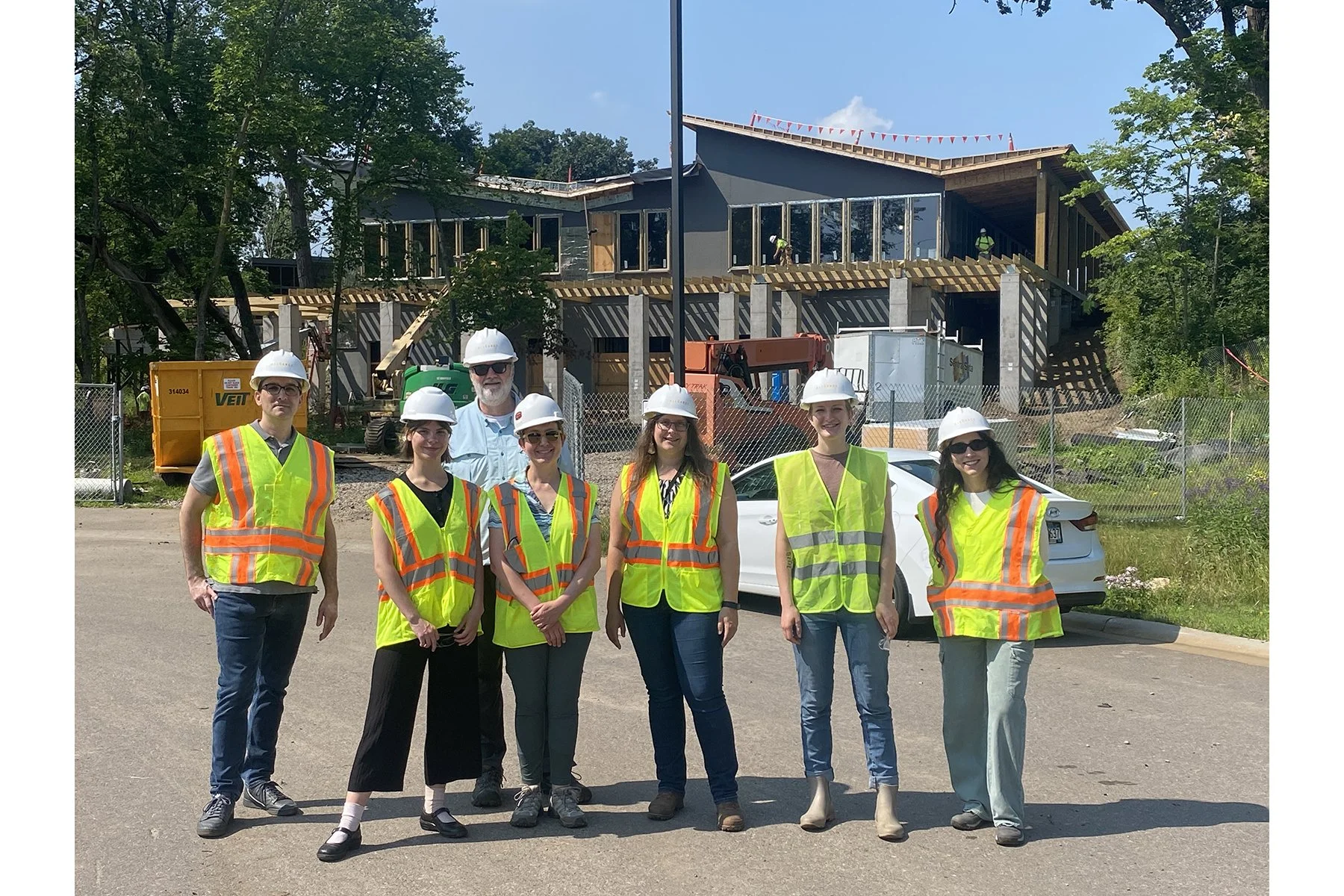
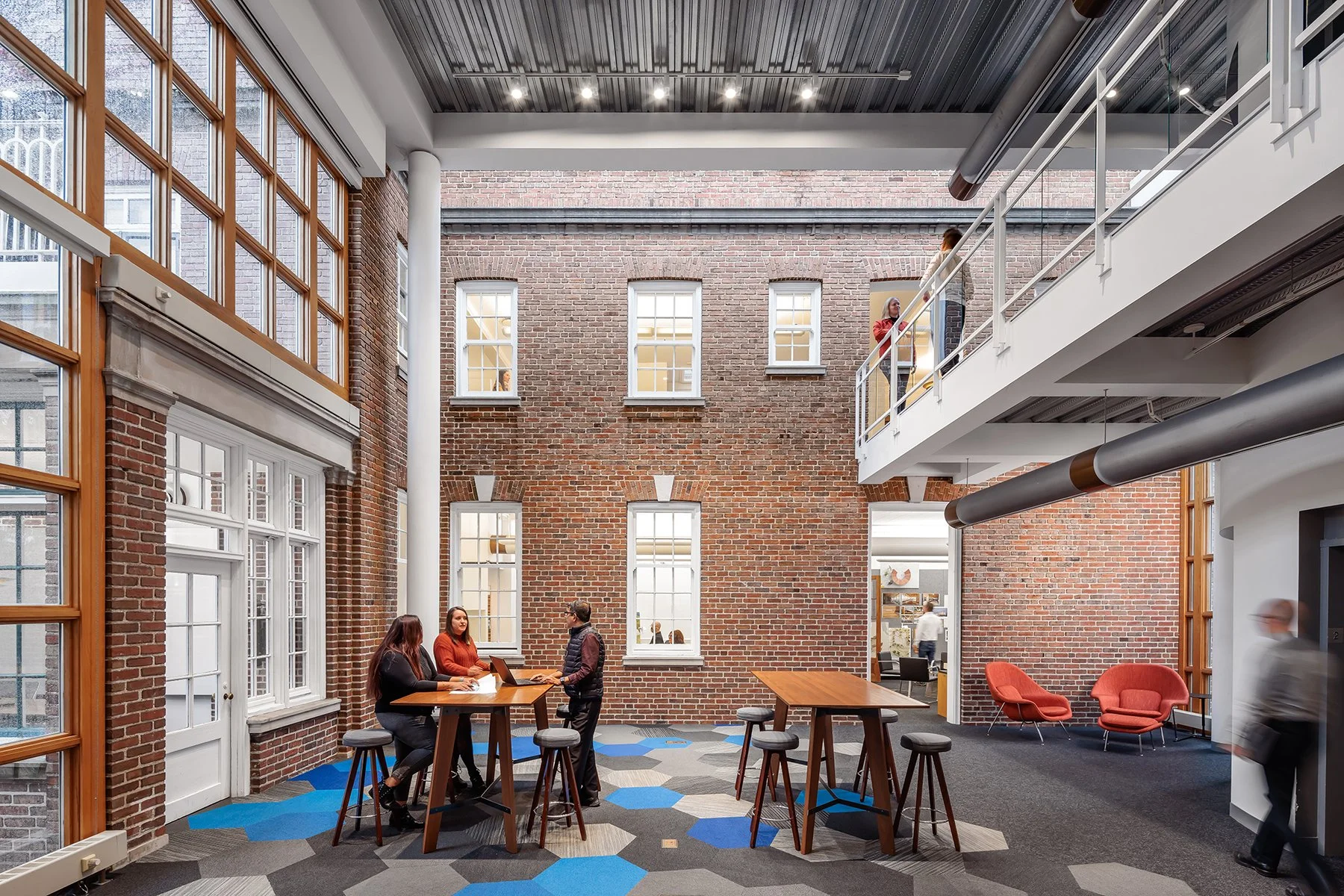
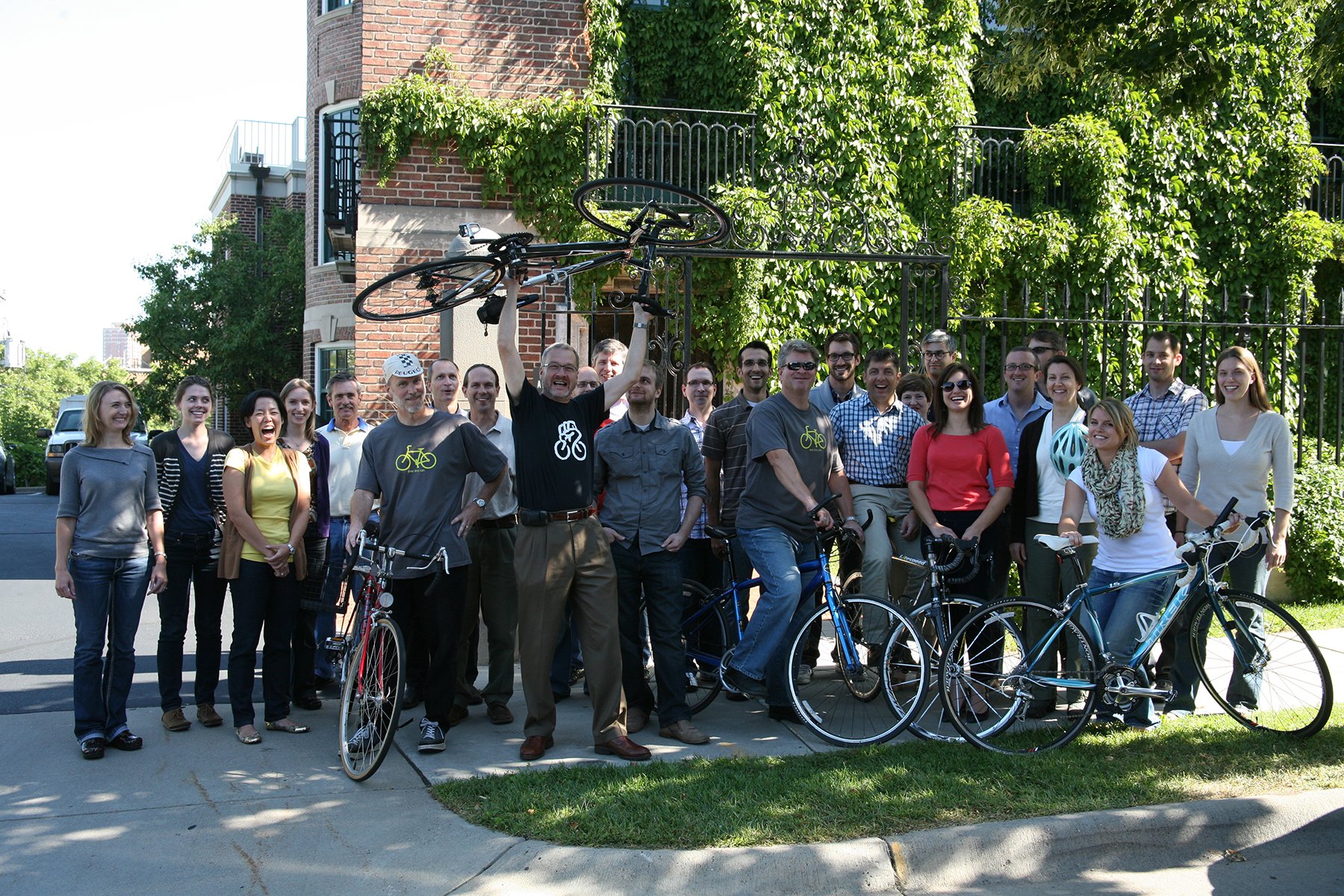
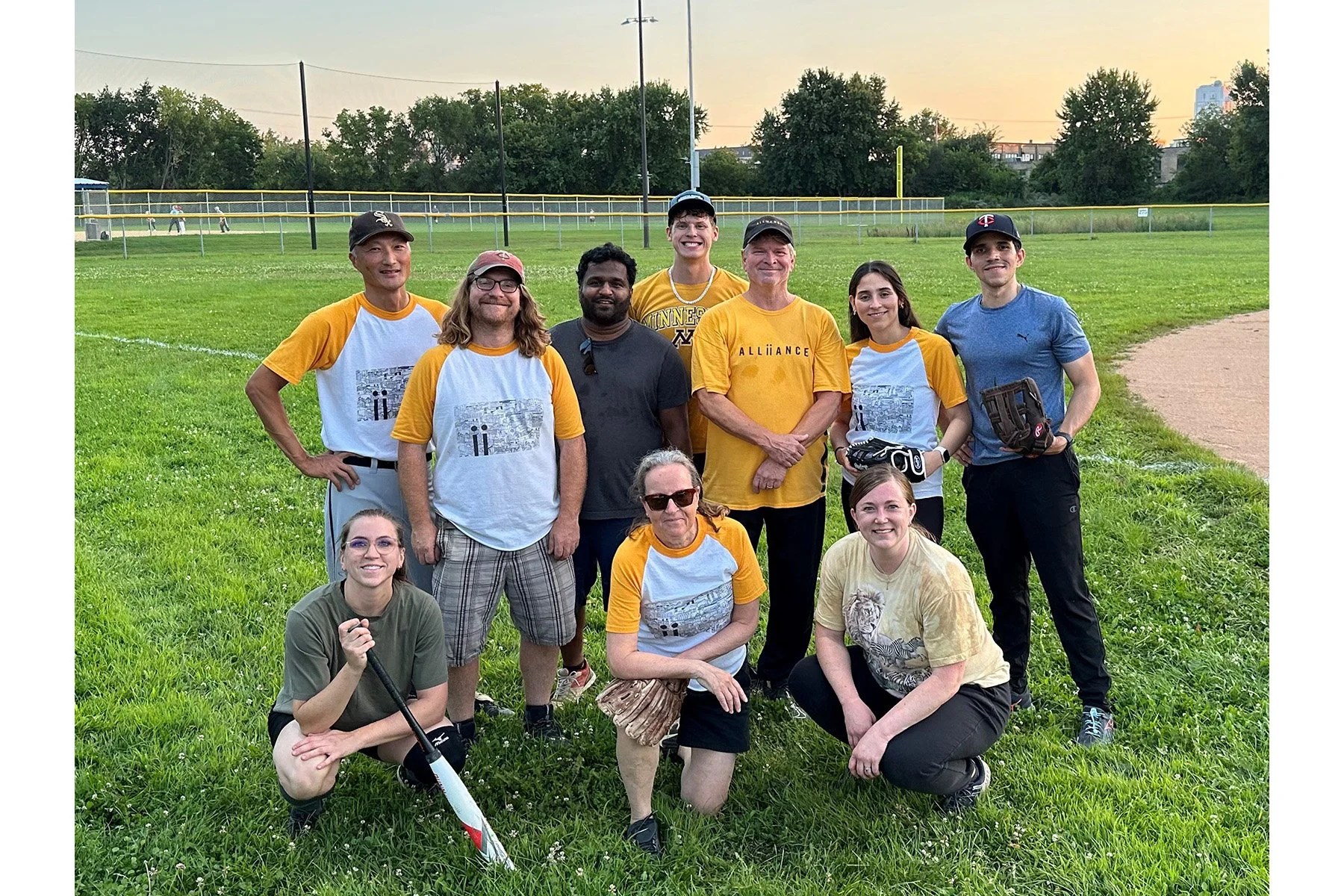

Photos 1–6: Alliiance team members at building sites, in the studio, and in the community. Photos 1 and 3–5 by Alliiance. Photos 2 and 6 by Farm Kid Studios.
As design knowledge circulates across studios, the entire practice benefits. Architects with deep experience in aviation, for example, may contribute to higher education projects, while those focused on workplace or hospitality design lend insight to campus buildings. Over time, this cross-pollination builds a shared understanding of how different building types can inform one another.
The firm also places a strong emphasis on intergenerational collaboration. Leaders work to establish clear professional development paths, support licensure, embed mentorship into daily practice, and create opportunities for younger staff to participate in national forums such as the Airport Planning, Design, and Construction Symposium and regional aviation industry conferences across the country.
True Collaboration
In recent years, Alliiance has also deepened its commitment to diversity, equity, and inclusion. In-house workshops have addressed topics including identity and bias, race and racism, and gender and sexism. In its project work, the firm has expanded early engagement with diverse stakeholder groups, inviting them to shape the conversation from the outset.
Rather than treating advocacy groups as last-minute reviewers, Alliiance works with them as long-term partners. At MSP International, for instance, the firm collaborates closely with Open Doors Organization, a national disability advocacy group, to create more inclusive environments. Through its work with graduate students in the University of Minnesota’s Applied Research in Practice program, Alliiance also helped develop an Accessible Engagement Planning Tool, now available to other design firms.
“Designers aren’t always trained to listen deeply or integrate everyone’s contributions,” says Harvey. “You have to acknowledge that—and then be willing to change how you work.”
That willingness to learn and adapt, she adds, is often essential to a firm’s longevity—and a key reason Alliiance has continued to thrive for more than five decades.
Related Articles